
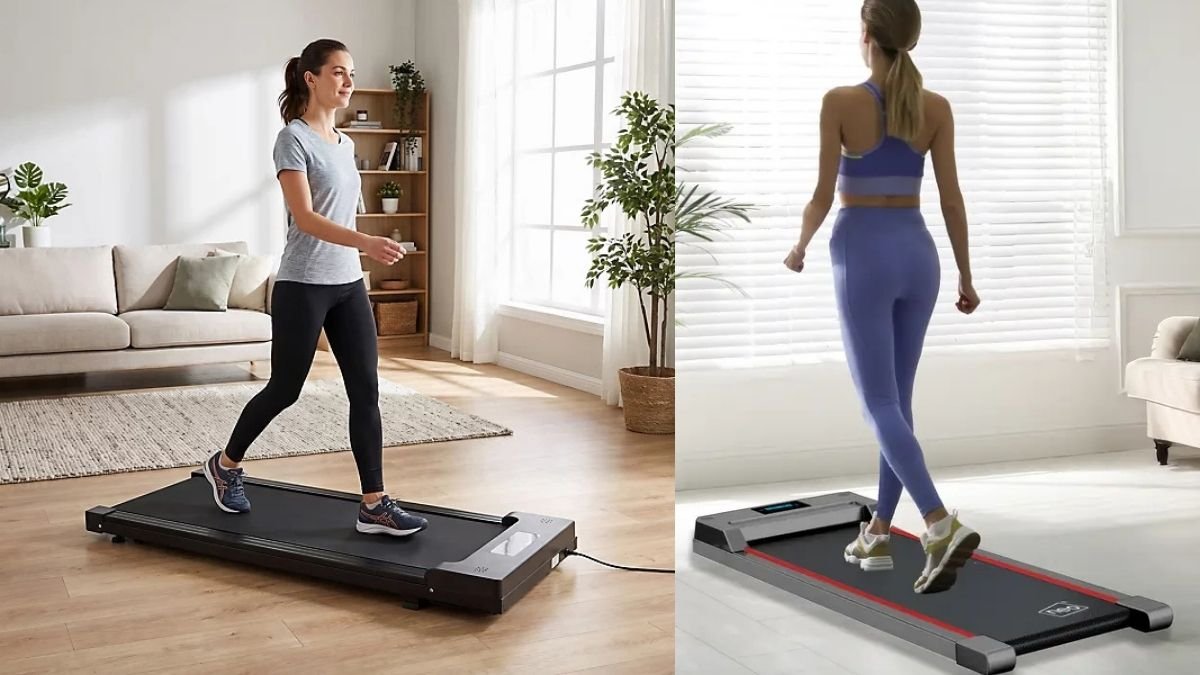
Sitting in an office chair all day wrecks your posture and leaves you exhausted by three in the afternoon. Most remote workers want to get their steps in without spending two hours driving to a gym and back.
Sliding an under desk treadmill beneath a standing desk seems like the easiest fix in the world. You walk while answering emails, hit your step goal before lunch, and stay alert all day.
The reality of living with a walking pad treadmill is rarely as smooth as social media videos make it look. Cheap motors overheat after forty minutes of slow walking. Belts drift sideways and rub against plastic covers until they shred. Your downstairs neighbors will hear every single footstep vibrating through their ceiling joists unless you set up the right padding.
Before buying a flat motorized deck, learn how they work. You need to know where cheap brands cut corners.
The Big Mechanical Differences in the Walking Pad vs Treadmill Choice
A flat walking deck is not just a standard treadmill with the top display removed. The motor and frame are built for completely different jobs.
A traditional gym machine weighs over two hundred pounds, takes up half a room, and uses a massive continuous-duty motor. Understanding the walking pad vs treadmill differences keeps you from buying a machine that burns out within its first month.
Motor Sizing and Why Slow Walking Overheats Small Motors
A standard gym treadmill runs on a large 3.0 or 4.0 horsepower motor with built-in cooling fans. Those motors spin easily at high speeds because your running momentum helps carry the belt forward.
A compact walking pad relies on a much smaller 1.5 to 2.5 peak horsepower motor. Counterintuitively, walking slowly at 1.5 miles per hour puts far more strain on an electric motor than jogging at five miles per hour. At low speeds, the motor lacks momentum. The coils must pull continuous electrical current to move your body weight. Running a cheap compact treadmill for an hour straight without a break can easily trigger an E02 motor overheating error.
Belt Length Limits Your Natural Stride
Commercial gym running decks measure fifty-five to sixty inches long, giving you plenty of space to take long, natural strides.
A small treadmill for home use usually offers a walking surface that is only forty to forty-five inches long. If you are over five feet ten inches tall, your natural walking stride will feel pinched. You must shorten your step slightly. This stops your shoes from kicking the front hood or slipping off the back. It takes a few days to adjust your walking cadence, but once your muscle memory adapts, walking feels natural.
Can You Run or Jog on an Under Desk Walking Deck?
Can a single flat machine handle both casual office steps and sweaty weekend cardio workouts? Almost every first-time buyer asks this question.
The short answer comes down to belt width, top speed limits, and how much you value your personal safety.
Why Top Speed and Deck Width Make Running Dangerous
People constantly ask: can you run on a walking pad? You should not attempt it on a standard flat deck.
Most budget units top out at 3.8 miles per hour, which is simply a fast walk. Even models with higher speed limits lack handrails, side foot rails, and emergency safety clips. Stumbling at six miles per hour on a narrow belt is dangerous. You can fly off the back into your furniture. High-speed running requires a full-sized frame with sturdy side handles you can grab if your foot slips.
The Joint Impact of Minimal Shock Absorption
What about a slow shuffle: can you jog on a walking pad? While a light jog at four miles per hour is physically possible, the deck is very hard on your joints.
A flat mini treadmill sits just four inches off the ground. That slim profile leaves zero room underneath for heavy rubber shock absorbers or flexible deck springs. Jogging on a stiff walking deck sends every impact straight through your ankles, knees, and hips. If you want to jog daily, invest in a dedicated running treadmill with real deck cushioning.
Weight Limits and Finding a Heavy Duty Frame
Never trust the maximum weight rating printed on a cheap product box. A steel frame might hold three hundred pounds standing still. Dragging that weight under a moving belt takes real motor torque.
Buying a machine with an honest weight rating ensures the belt glides smoothly without jerking under your shoes.
Motor Stutter on Budget Walkers
Standard entry-level walking decks advertise a weight capacity around two hundred and twenty pounds. If your weight gets close to that limit, a small 1.5-horsepower motor will struggle with every step.
Every time your foot lands, added friction causes the belt to hitch. It hesitates for a fraction of a second. That constant stutter strains the motor and wears out the rubber drive belt within months. Walkers near or above two hundred pounds should look specifically for a walking pad 350 lb capacity rating. The stronger motor keeps the belt moving at a steady, reliable pace.
Real High Capacity Heavy Duty Frames
Walkers who need maximum durability should search for a heavy duty treadmill 400 lb capacity model. These units use reinforced steel frames, wider side tracks, and commercial-grade DC motors designed for high torque at low speeds.
A verified 400 lbs capacity treadmill frame stays solid. A treadmill 400 lb capacity unit will not flex or squeak. These heavy-duty models cost more and weigh around seventy pounds, but they last years longer than disposable budget pads.
Incline Features and the Folding Deck Trap
Adding an incline burns extra calories, and folding frames save floor space. But both features introduce mechanical trade-offs that can create daily headaches.
Thinking through your daily routine helps you decide if these extra options are worth the higher price tag.
The Problem with Incline at a Standing Desk
If you want to burn more calories, buying a walking pad with incline sounds great on paper. However, motorized incline requires heavy lifting gears that ruin the slim profile of the machine.
Most models sold as the best walking pad with incline use manual plastic feet. You flip them down by hand. This creates a fixed two or three percent tilt. Walking at an incline changes your posture and tilts your wrists at an awkward angle against your desk keyboard. Most remote workers find that incline walking distracts from typing, so they leave the deck flat during work hours.
The Seam Issue on Foldable Frames
For small apartments, a foldable walking pad seems like the smartest possible purchase. The deck hinges in the middle so you can fold it in half and slide it into a closet.
The downside to a folding deck is the central hinge seam. You can often feel that bump beneath the thin rubber belt with every step. The folding mechanism also adds hinge joints that can loosen and squeak over time. Got space under a bed or sofa? A solid, non-folding flat pad is more reliable and needs less upkeep.
Pricing Tiers and What to Expect for Your Budget
Walking pad prices range from under two hundred dollars to over eight hundred dollars. Spending more gets you a quieter motor, better materials, and a more rigid frame.
Knowing what features come with each price bracket keeps you from wasting money on gimmicks.
What You Get in a Budget Treadmill Under 300
Finding a decent treadmill under 300 is realistic. It works well if you only walk thirty to forty minutes daily. In this entry-level tier, you get a simple steel frame, basic plastic end caps, and a handheld remote control.
These budget decks feature basic LED displays on the front motor hood that track your time, speed, and steps. The motors are smaller and noisier, but they get the job done for light daily walking. Ensure the package includes extra remote batteries. A bottle of belt lubricant is also essential for proper maintenance.
Shopping Online vs Testing in Local Stores
Finding the best walking pad treadmill requires digging through real owner experiences. Skip sponsored social media posts and read independent customer reviews on Reddit or fitness message boards.
Reading real reviews shows you which models develop annoying squeaks or electrical remote issues after three months of use. Buying online gives you better prices and free home delivery, but check the return policy first. Returning a sixty-pound box to an online seller is expensive. Return shipping can cost over one hundred dollars.
Essential Maintenance to Prevent Squeaks and Motor Burnout
A motorized walking deck has very few moving parts, but ignoring basic belt care will destroy the motor quickly. Taking five minutes every month keeps the machine running silently.
Keeping the belt centered and oiled prevents the two biggest causes of treadmill breakdowns.
Centering a Drifting Belt with the Rear Roller Bolts
After ten or twenty miles of walking, the belt naturally drifts toward the left or right side rail. If the edge of the belt rubs against the plastic housing, it will fray and make an annoying scraping sound.
To center the belt, find the two Allen key adjustment bolts on the rear corners of the frame. Turn the machine on to two miles per hour. If the belt drifts left, turn the left bolt clockwise a quarter-turn. If it drifts right, turn the right bolt a quarter-turn. Watch the belt move back toward the middle, then tighten both bolts slightly to keep the tension even.
Applying Pure Silicone Oil Under the Deck Board
Deck friction is the primary reason walking pad motors overheat and fail. As the belt rubs against the wooden deck board, friction creates heat and forces the motor to draw extra power.
Learning how to lubricate a walking pad belt is essential for long-term reliability. Once a month, unplug the power cord and lift the side edge of the belt with your fingers. Squeeze five to ten milliliters of pure 100% silicone oil straight onto the wooden board. Plug the unit in and run it at low speed for three minutes. This spreads the oil across the entire deck. Never use household spray oils like WD-40, which break down synthetic rubber belts.
Soundproofing and Office Setup for Apartment Living
A quiet walking pad for apartment living requires sound isolation. The electric motor itself is usually quiet, but your foot strikes create low-frequency vibrations that travel straight through floorboards.
Setting up your workstation correctly keeps your downstairs neighbors happy and protects your office wiring.
High-Density Equipment Mats Stop Floor Thumping
Every time your foot lands on the deck, that downward force sends a thumping shockwave into the floor joists. Downstairs neighbors will hear a steady, rhythmic thudding overhead even if the machine sounds quiet to you.
Placing a dense, three-quarter-inch recycled rubber equipment mat beneath the walking deck absorbs those impact shocks. Do not use soft foam yoga mats, which compress flat under the frame and make the treadmill wobble. A heavy rubber mat isolates vibration and prevents the machine from scratching hardwood or vinyl flooring.
Power Cord Safety and Desk Ergonomics
Motorized gym gear pulls steady electrical current from your wall circuits. Always plug your machine directly into a grounded wall receptacle rather than an overloaded power strip.
Keep power cords clear of your standing desk legs so the wires do not get pinched when adjusting desk height. If you are setting up an ergonomic home workstation, browse our remote work productivity guide and review our home electrical safety breakdown to keep your office space safe and organized.
If you have curious dogs or cats in your home office, keep pets away from the moving belt. Check our pet care guide for practical tips on keeping pets safe around motorized household equipment.
Direct Answers to Common Walking Pad Questions
Here are quick, direct answers to the most common practical questions remote workers ask about under-desk treadmills.
Can you use a walking pad on thick carpet?
No. Thick carpet fibers block the bottom motor vents, trapping heat and causing the electronics to shut down. Place a rigid plastic or wood mat beneath the unit if your office has carpet.
How many miles should an under-desk treadmill last?
A well-maintained walking pad used for an hour a day lasts three to five years. Lubricating the deck regularly with pure silicone oil is the single most important factor in motor lifespan.
Do you need to oil the belt straight out of the box?
Most brands apply light oil at the factory. However, always check the wooden deck board with your fingers first. If the wood feels dry, apply a small amount of silicone oil before your first walk.
Why does the handheld remote stop working randomly?
Weak factory coin batteries cause most remote pairing issues. Swapping out the cheap stock battery for a fresh name-brand battery usually fixes the connection immediately.
Will walking while typing hurt your neck or back?
Not if your desk is adjusted correctly. Keep your computer monitor at eye level and your elbows bent at ninety degrees. Walking at a steady 1.5 miles per hour allows you to type smoothly without straining your neck.