
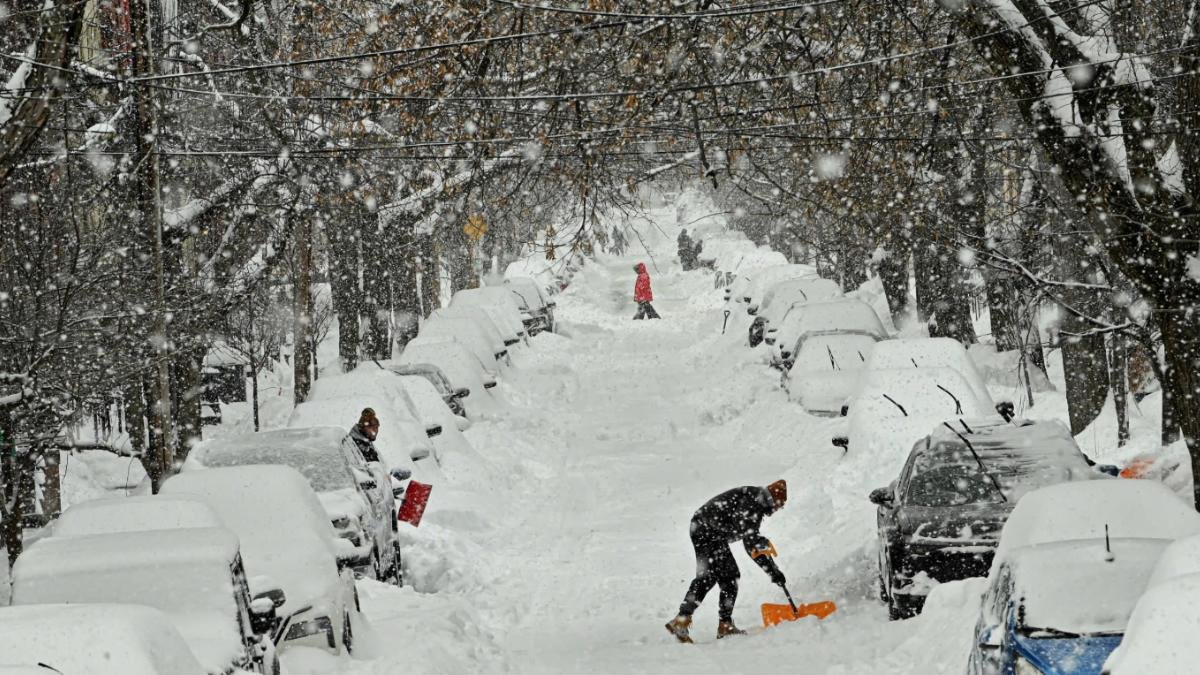
Across the country, severe winter storms turn dangerous faster than almost any other weather event. A single storm front coats miles in slick black ice, snaps utility poles, and leaves entire towns without power. When forecasters issue a winter storm warning, severe winter weather is actively falling or about to hit your county. Staying off the roads gives snowplows room to clear lanes and keeps your family safe inside.
Too many drivers treat winter weather alerts as casual forecasts until their wheels slide into a ditch. Slippery asphalt causes thousands of avoidable highway crashes every single December, January, and February. Heavy ice accumulation snaps tree limbs onto residential roofs and tears live electrical cables from utility poles. Taking immediate steps around your home and checking highway travel alerts protects your loved ones through the freeze.
Understanding winter storm alerts helps you make smart decisions before snowfall begins. A solid winter storm emergency preparation checklist means your household stays warm, fed, and hydrated during prolonged blackouts. Preparing your vehicle with traction gear and emergency warm clothes prevents roadside disaster if you must drive. This straightforward guide explains official weather warnings, state road rules, home freeze protection, and winter driving safety.
The Weather Science Behind Winter Storm Alerts
Meteorologists at your local weather forecast office monitor storm systems using Doppler radar, satellite scans, and high-altitude weather balloons. When weather maps show that a major storm will hit specific counties, forecasters issue targeted alerts. They follow strict national weather service criteria that measure expected snowfall, ice thickness, and surface wind speeds. These rules change based on local geography and how well local plows can clear roads.
A winter storm alert does not mean bad weather might happen someday soon. Instead, it means life threatening travel conditions and heavy frozen precipitation are either happening now or starting within thirty-six hours. Forecasters coordinate with county emergency managers, transportation departments, and state police troopers before issuing regional alerts. This active coordination helps cities pretreat major interstates with liquid brine and stage snowplow crews along key hill climbs.
Winter weather threats rarely come in a single form. A passing low-pressure system might start as rain, shift into freezing drizzle, dump wet sleet, and finish as heavy snow. Cold air wedges near the ground while warmer air rides above it, creating rapid changes in road conditions. Recognizing how forecasters classify these alerts keeps you ahead of sudden weather changes.
Understanding the Difference Between Watches, Warnings, and Advisories
The National Weather Service uses specific terms to describe how dangerous an incoming storm will be. Many people confuse these terms and end up caught unprepared on slick highways. A winter storm watch notice means forecasters see conditions that could produce heavy snow or ice within forty-eight hours. When a watch appears on your local news screen, stock up on pantry goods and verify your home heating supplies.
A winter storm warning means severe winter weather is imminent or already creating dangerous road travel across your area. You must finish outdoor chores quickly and postpone nonessential highway travel until road crews plow primary routes. In contrast, a winter weather advisory difference lies in the overall severity of the storm. An advisory means snow, ice, or wind will cause inconveniences and slick spots, but conditions fall below major warning thresholds.
Pay close attention when local forecasters upgrade an advisory to a full warning. Upgrades mean the storm track shifted or gathered extra moisture, creating heavier snowfall rates and colder road temperatures. Treat every warning seriously by securing loose patio furniture, parking cars away from tall trees, and charging battery banks. Taking action early prevents last-minute scrambling during blinding snowfall.
Snowfall and Ice Totals That Trigger Alerts
Every regional forecast office sets exact winter cutoffs based on local roads and hills. Heavy snow must hit specific accumulation targets over a twelve or twenty-four hour period to trigger an alert. Heavy ice accretion on trees snaps large limbs and pulls power lines down onto neighborhood roads. If freezing rain and ice storm conditions coat roads in ice, meteorologists upgrade the alert immediately. Sleet accumulation on roads reaching half an inch also triggers a warning because packed sleet turns to solid ice.
In southern states where highway departments own fewer snowplows, two inches of snow triggers an alert. In northern states accustomed to heavy lake snow, warning thresholds require six to eight inches within twelve hours. Mountain passes often require a foot or more of snow before forecasters issue a warning. Regardless of local numbers, every warning signals serious travel delays and power line hazards.
Ice remains the most destructive element of any severe winter weather system. A quarter inch of ice glaze adds hundreds of pounds of weight to utility cables and tree canopies. When paired with gusty winds, ice causes widespread electrical blackouts that leave thousands of homes without central heat. Watching local radar helps you track freezing rain before it coats your driveway in slippery glass.
How Blizzard Conditions Differ From Standard Storms
Many people assume every big snowstorm is a blizzard, but meteorologists follow very strict rules for that label. A blizzard warning visibility standard requires sustained winds or frequent gusts of thirty-five miles per hour or higher. Falling or blowing snow must reduce visibility to less than one-quarter mile for at least three consecutive hours. The total amount of falling snow actually has nothing to do with whether a storm qualifies as a blizzard.
Strong winds whip existing ground snow into blinding clouds that totally disorient drivers on open roads. These whiteout conditions on rural roads make it impossible to see where the shoulder ends and the ditch begins. Even if only two inches of snow fall, forty-mile-per-hour winds can create life-threatening blizzard travel conditions. Standard winter storm warnings, while dangerous, do not feature these prolonged high-wind and low-visibility extremes.
When blizzard warnings take effect, highway departments close interstates and pull their own plow drivers off the road. Driving into a whiteout risks head-on collisions and leaves your vehicle stranded miles away from emergency rescue services. If your county falls under a blizzard warning, stay inside your home or shelter until winds die down.
Mountain Driving Rules and State Chain Controls
Driving through mountain ranges during severe winter weather requires specialized vehicle traction gear and extra driving precautions. Mountain weather changes rapidly, turning wet asphalt into packed ice over a single mile of elevation climb. Transportation departments in western and northern states enforce strict traction rules to prevent commercial trucks and cars from spinning out. Knowing state laws helps you travel safely through high-elevation passes without earning heavy traffic fines.
State highway patrols set up mandatory vehicle checkpoints at the base of mountain passes during heavy snowstorms. Officers inspect tire tread depth and check whether drivers carry approved metal tire chains in their trunks. If your car does not meet legal traction requirements, state troopers turn you around immediately. Ignoring these roadside checkpoints leads to expensive citations and leaves you stuck on steep mountain grades.
Drivers heading into mountain passes need proper traction gear, heavy coats, and winter boots in their vehicles. Commercial truck drivers must carry multiple sets of tire chains and know how to install them in snowy turnouts. Keeping your gas tank full before starting up any mountain pass ensures your engine heater runs if traffic stops. Prepared drivers respect mountain weather and carry the tools needed to handle sudden alpine blizzards.
Donner Pass Chain Controls and California Highway Rules
Crossing the Sierra Nevada range during a winter storm warning sierra nevada alert demands complete attention to highway regulations. The California Department of Transportation enforces three distinct caltrans chain control levels across high-elevation highways. Under R1 conditions, passenger cars need snow tires or chains, while trucks must run tire chains. Under R2 conditions, all vehicles must use chains except four-wheel-drive passenger vehicles with approved snow tires on all four wheels.
When Caltrans declares R3 conditions, every vehicle on the road must have tire chains installed, including all-wheel-drive trucks. State troopers monitor checkpoints along Donner Summit highway closures on Interstate 80 when heavy snow overwhelms plow fleets. If snowfall rates exceed two inches per hour, Caltrans closes the freeway entirely until tow trucks clear spun-out vehicles. Checking interstate eighty travel conditions before leaving Sacramento or Reno prevents getting trapped in hours of mountain gridlock.
Drivers caught without chains during active controls face fines exceeding several hundred dollars plus mandatory commercial tow fees. Always practice putting your chains on in a warm, dry driveway before driving into mountain snow. Pull completely off the highway into an approved chain installation area rather than stopping in an active travel lane. Carry a sturdy pair of waterproof gloves, a headlamp, and a kneeling pad for cold roadside chain installation.
Colorado Traction Laws Along the I-70 Corridor
Winter travel through the Rocky Mountains involves steep highway grades, thin mountain air, and sudden elevation changes. When a colorado winter storm warning takes effect, the state transportation department activates Code 15 and Code 16 traction rules. Under a colorado mountain pass traction law, all passenger vehicles must run dedicated winter tires, four-wheel drive, or chains. Commercial tractor-trailers must chain up four drive tires before climbing steep grades toward the Continental Divide.
The stretch of highway crossing Vail Pass winter driving corridors frequently shuts down due to multi-car pileups on icy curves. State troopers strictly enforce minimum tire tread depths of three-sixteenths of an inch on all passenger vehicle tires. If an unprepared driver spins out and blocks traffic on I-70 without proper tires, state fines increase dramatically. Checking highway webcams and electronic message signs helps you spot mountain closures before you reach the final highway exit.
Winter conditions on mountain passes remain treacherous long after the primary storm clouds pass over the peaks. High winds blow light powder back across cleared lanes, creating slick black ice patches on shaded highway corners. Brake gently and increase your following distance to at least four times your normal highway gap. Slow down well before approaching mountain runaway truck ramps and snowplow convoys.
Great Lakes Snow Squalls and Michigan Road Alerts
In the Upper Midwest, cold Canadian air sweeping across open lake waters generates intense bands of lake-effect snow. A winter storm warning michigan notice frequently involves fast-moving squalls that drop three inches of snow in under an hour. These narrow lake effect snow squalls create sudden whiteouts along Interstate 94, Interstate 75, and US-131 while nearby towns enjoy sunshine. Drivers traveling at normal highway speeds enter these snow bands and lose all forward road visibility in seconds.
The Michigan State Police issue urgent michigan state police road alerts advising drivers to avoid unnecessary freeway travel during lake squalls. Snowplows struggle to keep freeway lanes clear when wind gusts constantly blow fresh snow drifts back over travel lanes. If you encounter a lake-effect snow band, ease off your accelerator smoothly rather than slamming on your brakes. Sudden braking on packed lake-effect snow causes immediate vehicle spins and multi-car chain reactions.
Always turn on your headlights so drivers following behind can spot your taillights through dense snow flurries. Keep an emergency roadside kit in your trunk containing warm boots, dry wool socks, and a metal snow shovel. If traffic stops completely on a rural Michigan highway, remain inside your vehicle with your hazard lights flashing.
Alaska Winter Driving on the Parks and Richardson Highways
Winter driving in the far north presents unique cold-weather challenges found nowhere else on the continent. An alaska winter storm warning snow alert regularly brings subzero wind chill temperatures and blowing glacial silt across interior highways. An official nws fairbanks winter storm warning means Arctic air interior alaska systems are producing severe cold and deep snowdrifts. Extreme wind chills dropping below minus forty degrees cause frostbite on exposed skin within five to ten minutes.
Long stretches of the Parks and Richardson highway routes lack cellular phone service, gas stations, and roadside emergency assistance. Drivers traveling between Anchorage, Fairbanks, and rural mining towns must carry full Arctic cold weather survival gear. You need extreme cold weather parkas, rated sleeping bags, extra engine oil, and dry firewood in your truck bed. A mechanical breakdown along an unpopulated Alaska highway turns into a life-threatening emergency if you cannot stay warm.
Before driving through remote Alaska corridors, verify your vehicle block heater cord and battery fluid levels. Carry a working satellite messenger device so you can summon help when cellular networks fail during severe blizzards. Check road condition reports from state maintenance stations to ensure remote mountain passes remain open to traffic. Respect the Arctic cold and delay your highway trip whenever forecasters predict blinding snow.
Live Road Travel Updates and School Closings
Staying informed during severe winter storms requires reliable, verified information from official transportation sources. Social media feeds often share outdated road pictures, false highway closure rumors, and unverified storm totals. Always cross-reference weather forecasts with state transportation department websites and local government emergency feeds. Checking official weather winter storm warning bulletins before starting your car saves you from getting stuck in freezing traffic jams.
State transportation departments maintain comprehensive digital travel tools designed to help motorists avoid dangerous road conditions. These systems gather real-time data from highway patrol officers, maintenance plow operators, and roadside weather sensors. Reviewing digital road condition maps reveals whether highways are clear, wet, snow-packed, or covered in solid ice. Reliable travel information helps you plan safe alternate routes or decide to stay home.
When severe winter weather threatens morning school commutes, school superintendents must make difficult safety decisions before dawn. Buses struggle on steep hills and unplowed country roads, putting young students and bus drivers at risk. Understanding how school districts announce cancellations helps parents prepare childcare arrangements without morning stress.
Checking Official State 511 Roadway Dashboards
Every state operates an official five-one-one travel telephone hotline and matching internet website for live road updates. Loading your state five one one travel map before departing shows live highway traffic camera feeds, snowplow locations, and crash scenes. These state web tools show exact highway closures, construction slowdowns, and mandatory mountain chain control checkpoints. You can even view forward-facing cameras mounted directly inside active state snowplow trucks.
Checking local county road status updates is equally important because county plows clear secondary roads and residential school bus routes. State highway plows prioritize high-speed interstates first, leaving rural county roads unplowed for several hours during heavy snowfall. If your county road department reports impassable roads, your local neighborhood street will likely remain snowed in as well. Wait until local plow crews clear subdivision entrances before attempting to drive to work.
Telephone dispatch hotlines offer automated road condition updates when cellular data connections run slowly on rural routes. Bookmark your state 511 website on your smartphone and save local highway patrol dispatch telephone numbers in your contacts. Reviewing road condition reports before your tires touch the snow prevents dangerous driving mistakes.
How School Districts Handle Cold Weather Closures
School administrators follow a strict school district snow day policy before closing classrooms. Superintendents talk with road crews, police departments, and weather forecasters around four in the morning. If bus routes are slick or wind chills create danger at bus stops, districts issue a morning bus delay announcement. District offices use an automated robocall alert system to notify parents before breakfast. When a winter storm warning school closings alert goes out, classes switch online or cancel entirely.
Wind chill temperatures play a major role in school cancellation decisions, even when little snow falls on roads. Extreme wind chills below minus twenty degrees cause severe frostbite on children walking to neighborhood bus stops. Heavy freezing rain also triggers immediate school closures because yellow school buses cannot stop safely on iced roads. Parents should keep their contact information updated in school emergency notification databases to receive prompt text alerts.
Many modern school districts utilize remote learning days instead of traditional snow make-up days at the end of the year. Make sure your children have their school laptops and charging cords at home whenever forecasters predict heavy snow. Keep backup educational activities, books, and board games handy in case winter blackouts shut off home internet connections.
Protecting Your Home Against Freezing Pipes and Blackouts
Winter storms threaten homes just as seriously as they threaten highway drivers out on the road. Subfreezing air temperatures, howling winds, and falling ice can disrupt municipal water supplies and electrical power grids for days. Preparing your house before the temperature plummets prevents thousands of dollars in plumbing leaks and structural water damage. Homeowners who take simple winter precautions protect their property and keep their families comfortable during harsh winter freezes.
Ice storms represent the single greatest winter threat to residential power grids and neighborhood electrical substations. Heavy ice accumulation snaps brittle oak and pine tree branches, dropping heavy limbs across high-voltage distribution lines. When power grid line failure leaves an entire neighborhood without electricity, natural gas furnaces and electric heat pumps shut off. Preparing alternative home heating sources and emergency lighting keeps your family warm through long winter blackouts.
Plumbing lines running through exterior walls, unheated crawlspaces, and cold basements are especially vulnerable to freezing temperatures. When water inside a copper or plastic pipe freezes, it expands with tremendous mechanical force, splitting the pipe wall open. Once the home warms back up, pressurized water pours through the split pipe, flooding finished living spaces. Following basic pipe protection steps keeps water flowing safely through your plumbing lines.
Preventing Burst Pipes and Managing Plumbing Shutoffs
Taking proactive plumbing steps before an Arctic cold snap hits your county prevents devastating residential water leaks. Practice frozen pipe prevention dripping by opening indoor faucets on exterior walls to a steady, pencil-thin trickle of water. Moving water freezes much slower than standing water, and open faucet taps relieve dangerous internal water pressure if an ice blockage forms. Keep both hot and cold water taps dripping slightly in bathrooms and kitchens during subzero nights.
Warm indoor air from your central furnace needs room to circulate around plumbing fixtures tucked inside cold exterior walls. Ensure proper heat circulation by opening cabinet doors heat flow into kitchen counters and bathroom vanities where plumbing lines run. Pull cleaning chemicals and trash cans away from the pipes so warm room air reaches the back wall. If you have exposed pipes in an unheated garage or basement, wrap them with foam pipe insulation sleeves or heat tape.
Every homeowner and tenant must know the exact location of their home’s main water shutoff valve. Locate this valve inside your basement, crawlspace, or outdoor ground utility box before winter storms arrive. If a pipe freezes and bursts during the night, shutting off main water valve fixtures immediately stops catastrophic indoor flooding. Keep a commercial water meter shutoff key handy if your primary shutoff valve sits inside an outdoor underground curb box.
Home Winter Freeze Safety Steps:
- Open indoor cabinet doors under kitchen and bathroom sinks
- Let cold and hot faucets drip at a steady, pencil-thin stream
- Locate and test your main indoor water shutoff valve
- Charge all phone battery banks, lanterns, and flashlights
- Set generator outdoors at least twenty feet from home windows
- Test indoor carbon monoxide and smoke alarms with fresh cells
During a winter power outage, keeping your living room warm and comfortable without open fires requires safe indoor accessories. While open flame candles pose serious indoor fire hazards, using safe flame-free options like a candle warmer lamp allows you to enjoy pleasant scents and gentle warmth without lighting open wicks. Taking care of these small indoor comforts helps your family relax safely during long winter evenings inside.
Safe Outdoor Placement for Backup Fuel Generators
Portable gas generators provide lifesaving electrical backup during prolonged winter blackouts, running refrigerators, medical equipment, and water well pumps. However, improper generator use causes deadly carbon monoxide poisoning inside homes every single winter. Gasoline, propane, and diesel engines emit clear, odorless carbon monoxide gas that can overcome sleeping families within minutes. Never run a fuel-powered generator inside a basement, garage, enclosed porch, or carport.
Follow strict portable generator outdoor placement guidelines by keeping the running machine at least twenty feet away from all living spaces. Point the generator exhaust muffler completely away from open windows, exterior doors, and soffit ventilation intake vents. Secure the generator on a dry, level outdoor surface where drifting snow will not block air cooling vents. Use heavy-duty, outdoor-rated grounded extension cords free of cuts, frayed insulation, or damaged ground pins.
Protect the generator from falling snow and freezing rain using a specially designed outdoor weatherproof generator tent. Never add gasoline to a hot generator engine because spilled fuel can ignite instantly on hot engine parts. Shut the generator engine off and allow it to cool down for ten minutes before pouring fresh fuel into the tank. Store extra gasoline cans outside your home in an unattached shed, away from indoor heating appliances.
Essential Food and Warmth Supplies for 72-Hour Blackouts
Every household needs a dedicated seventy two hour survival kit packed and ready before winter storm season begins. Your emergency supply cache should include at least one gallon of canned food and bottled water per person each day. Store plenty of nonperishable pantry items that require no cooking or refrigeration, such as canned meats, peanut butter, and dried fruits. Keep a manual hand-crank can opener in your pantry so you can open canned meals when electric openers lack power.
Maintain a battery powered emergency radio tuned to local National Oceanic and Atmospheric Administration weather broadcasts. Modern emergency radios feature hand-crank charging dynamos, built-in LED flashlights, and USB ports to recharge smartphones during blackouts. Verify your home carbon monoxide detector alarm and smoke detectors have fresh backup batteries installed before the heating season begins. Keep several high-lumen battery lanterns, extra flashlights, and spare alkaline batteries in an easily accessible hallway cupboard.
72-Hour Winter Storm Survival Essentials:
- 3-day supply of bottled drinking water (one gallon per person each day)
- Non-perishable canned food, protein bars, and dried fruit
- Manual hand-crank can opener and disposable utensils
- Battery-powered or hand-crank NOAA emergency weather radio
- LED flashlights, area lanterns, and spare alkaline batteries
- Heavy wool blankets, thermal sleeping bags, and wool socks
- Fully stocked first aid kit and 7-day prescription medicines
Gather plenty of heavy wool blankets, down comforters, and thermal sleeping bags inside a central living room. Close off unoccupied bedrooms, bathrooms, and utility closets to trap whatever passive warmth remains in your primary living space. Hang heavy blankets or thermal curtains over drafty windows to block cold drafts from chilling your home. Dressing in warm moisture-wicking layers, warm fleece sweaters, and thick wool socks keeps your body comfortable indoors.
What to Do If Your Car Gets Stranded in Snow
Sliding off an icy road during a severe winter storm warning near me alert is a terrifying, disorienting experience. Heavy snowdrifts quickly obscure highway markers, leaving drivers stranded on deserted shoulders or down steep roadway embankments. When your wheels lose traction and spin uselessly in deep snow, panicking and making rash decisions increases your danger. Staying calm, evaluating your surroundings, and taking methodical survival steps keeps you safe until highway assistance arrives.
Most winter roadside fatalities occur when drivers leave the safety of their stranded vehicles to seek help on foot. Blinding snow flurries and howling winds quickly disorient pedestrians, making it impossible to spot nearby buildings or highway lights. Extreme wind chills cause rapid hypothermia, confusion, and frostbite on hands, feet, and faces within minutes of exposure. Remaining inside your vehicle provides shelter from blowing winds and protects you from passing cars slipping on the ice.
Modern smartphones make calling for roadside assistance easier than ever, but cold weather drains mobile phone batteries rapidly. Having a reliable emergency vehicle power solution, like the jump starters and packs featured in our guide on battery chargers, power compatibility, and safety, keeps your phone alive to call highway troopers. Keeping your vehicle survival equipment fully charged and ready ensures you stay connected during roadside emergencies.
Clearing Vehicle Exhaust Pipes and Avoiding Poisonous Fumes
If your car slides into a snowdrift, check your exhaust tailpipe before doing anything else. A vehicle tailpipe snow obstruction forces toxic carbon monoxide gas directly backward into your car passenger cabin through floorboard seams. Carbon monoxide is completely invisible, tasteless, and odorless, making it a deadly exhaust fume hazard for stranded drivers. Breathing carbon monoxide causes dizziness, headaches, nausea, and unconsciousness before victims realize any danger exists.
Step out of the car carefully, grab a shovel or ice scraper, and dig all snow and ice away from the exhaust pipe. Clear an open path around the back of your car so vehicle exhaust flows freely away into the open air. Check the tailpipe regularly while waiting for tow trucks, especially if high winds are actively piling fresh snow against your rear bumper. If your exhaust pipe is damaged or buried under heavy ice that you cannot clear, do not start your engine.
Never run your car engine continuously while waiting in a snowbank or along a closed highway. Instead, run a short ten minute engine warm cycle once every hour to warm the cabin air. Turn the heater on high during those ten minutes, charge your phone, and then shut the engine off. Crack one downwind window slightly while the engine runs to let fresh outdoor air inside.
Staying Warm and Visible While Waiting for Rescue
The single most important rule of winter roadside survival is staying inside stranded car cabins until rescue workers arrive. Your vehicle provides an obvious, identifiable visual marker that highway plow drivers and search teams can spot from a distance. Tie a brightly colored red or orange cloth to your radio antenna or hang it out of a closed window. Turn on your car flashing hazard road lights if your car battery retains plenty of electrical charge.
Wrap yourself in a thermal emergency foil blanket to reflect your radiant body heat back toward your chest and core. These lightweight mylar space blankets pack down small and provide lifesaving warmth when standard vehicle heaters cannot run. Layer heavy wool blankets over the foil sheet, put on a knit winter cap, and keep your winter coat zipped up. Move your arms, rotate your ankles, and clap your hands periodically to keep blood circulating through your fingers and toes.
Stranded Vehicle Survival Steps:
- Clear all snow and packed ice from the exhaust tailpipe
- Turn on flashing hazard lights and tie a bright flag to antenna
- Stay inside the vehicle cabin; never walk into a blizzard
- Run engine ten minutes per hour with downwind window cracked
- Wrap in thermal foil space blanket and perform light movement
Never fall into a deep sleep while waiting alone in a cold, stranded vehicle during an active snowstorm. Set loud timer alarms on your mobile phone to wake you up every forty-five minutes to check your physical condition. Stay hydrated by sipping bottled water stored inside your passenger cabin, avoiding the urge to eat cold outdoor snow. Eating frozen snow lowers your internal body temperature, speeding up the onset of hypothermia and frostbite warning symptoms.
Simple Roadside Traction Tricks to Free Stuck Tires
Before calling an expensive emergency tow truck, try several simple mechanical tricks to free your car tires from shallow snow. Straighten your front steering wheels so your tires roll straight forward rather than pushing against tall sidewalls of snow. Clear loose powder away from the front and back of all four tires using an emergency shovel, ice scraper, or hands. Dig a clear, level three-foot path ahead of each drive tire to give your car room to build momentum.
Sprinkle coarse cat litter or sand traction material directly under the drive tires and along your cleared rolling paths. The coarse granules bite into smooth ice, providing the friction your tire treads need to grip the road surface. If you do not have cat litter or sand in your trunk, pull your carpet floor mats out and place them upside down under your spinning tires. The rough backing of your floor mats often provides enough initial bite to propel your car out of a slick rut.
Avoid mashing your accelerator pedal down when your tires begin to slip on smooth ice or hard-packed snow. Spinning your wheels at high speeds melts the underlying snow into a layer of water that quickly refreezes into frictionless ice. Instead, feather your gas pedal very gently, shifting between forward and reverse in smooth rocking motions. If your car fails to move after several gentle attempts, stop spinning your wheels and call professional highway recovery services.
Frequently Asked Questions
What is the difference between a winter storm warning and a blizzard warning
A winter storm warning indicates that heavy frozen precipitation, such as six inches of snow or significant freezing rain, is occurring or imminent. In contrast, a blizzard warning requires sustained winds or frequent gusts of thirty-five miles per hour or higher combined with falling or blowing snow. This severe wind must reduce visibility to less than one-quarter mile for at least three consecutive hours. While standard winter storm warnings create slick roads, blizzard conditions produce complete whiteouts that paralyze traffic and stop emergency rescue vehicles.
Can four wheel drive vehicles safely drive on black ice
Four-wheel drive and all-wheel drive systems provide better acceleration traction in loose snow, but they offer zero extra stopping power on black ice. Every passenger vehicle, regardless of whether it features front-wheel drive or four-wheel drive, relies on four tire contact patches to brake. Ice completely eliminates tire friction, meaning a four-wheel-drive truck slides just as far on icy bridges as a lightweight sedan. Drivers operating four-wheel-drive vehicles must slow down, increase following distance, and avoid braking aggressively on frozen roadways.
How much snow accumulation triggers an official warning
The exact snowfall threshold required for a winter storm warning varies widely across different regional weather forecast offices. In northern states and mountain passes, warnings generally require six inches of snow within twelve hours or eight inches within twenty-four hours. In deep southern states where snow is rare and plows are scarce, just two inches of snow triggers a full warning. Meteorologists determine these thresholds based on local topography, historical road impacts, and how effectively regional highway departments can clear roads.
What should I do if my home water pipes freeze during a winter storm
If you turn on a faucet and only a few drops come out during a freeze, leave the faucet open and locate the frozen section. Inspect exposed plumbing running along exterior walls, cold crawlspaces, and unheated basements for frost or visible bulges. Apply gentle warmth to the frozen pipe using a handheld hair dryer, electric heating pad, or warm towels soaked in hot water. Never use an open flame torch, propane heater, or kerosene lamp to thaw pipes, as open flames ignite wall framing and cause explosive steam expansion.
Is it safe to leave a car engine running continuously while stuck in snow
No, leaving your car engine running continuously while stuck in a snowdrift is extremely dangerous due to carbon monoxide hazards. Blowing snow and drifting powder can quickly cover your exhaust tailpipe, forcing odorless, deadly carbon monoxide gas directly into your passenger cabin. Additionally, running your engine nonstop burns through your fuel supply within hours, leaving you without heat during subzero nights. Run your engine for only ten minutes each hour, crack a downwind window slightly, and ensure your tailpipe remains completely clear of snow.
How do I know if schools are closed for a winter storm today
School districts announce closures and delays through multiple official communication channels early in the morning, typically between 4:30 AM and 6:00 AM. Check local television news broadcasts, district social media accounts, and the official school district website for live closing banners. Most public school districts also send automated robocall phone messages, text alerts, and emails directly to enrolled parents. Avoid calling 911 or local emergency dispatch hotlines to ask about school closings, as emergency telephone lines must remain open for life-threatening calls.
How long does an official winter storm warning usually stay active
A typical winter storm warning remains active for anywhere from twelve to thirty-six hours, depending on the forward speed of the storm system. Fast-moving storm fronts may drop heavy snow and exit your county within eighteen hours, allowing road crews to plow lanes quickly. Slower low-pressure systems or stalled coastal storms can produce persistent bands of snow and freezing rain that last for two full days. Check updated weather forecast discussions frequently to see when meteorologists expect frozen precipitation to taper off into light flurries.
What is the most important emergency item to keep in a car during winter
The single most important item to keep in your vehicle during winter is a warm thermal emergency foil blanket or heavy wool sleeping bag. If your car slides into a ditch or runs out of gasoline, staying warm protects you from hypothermia and frostbite until help arrives. In addition to warm bedding, carry a charged mobile phone power bank, a sturdy metal snow shovel, a flashlight with extra batteries, and coarse traction material. Having these essential supplies in your trunk ensures you stay safe and comfortable during unexpected winter roadside delays.
[…] commutes before the heater core blows warm air.If you get stranded in freezing weather during a winter storm warning, having a 12-volt blanket in your vehicle provides emergency […]