
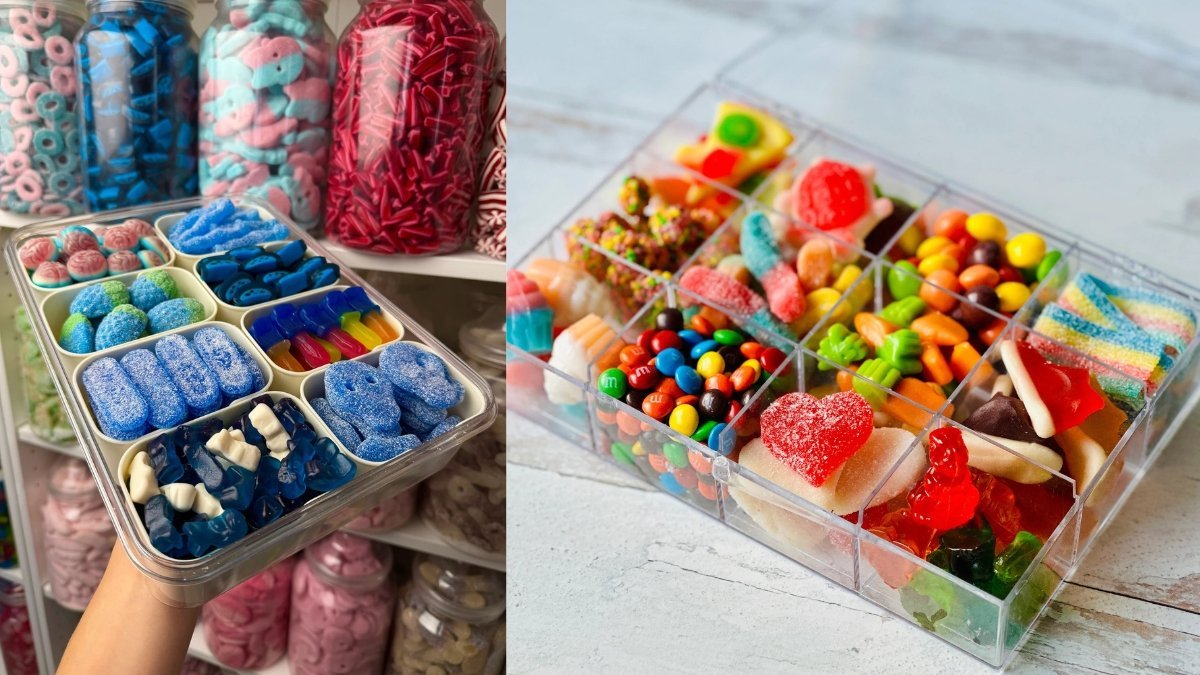
A snackle box is a flat, divided container with separate pockets for fruit, crackers, cheese, and dips. People started calling it that name after packing snacks into clean plastic fishing tackle boxes. That setup worked as a portable charcuterie board box because different foods stayed separated inside one lid. You could open one tray on a car seat instead of digging through six plastic bags.
Most modern versions are built by kitchenware companies rather than sporting goods brands. A real snackle box container uses food-safe plastic or metal instead of hardware-grade resin. You get built-in dividers, snap latches, and thicker walls that handle cold coolers and dishwashers. People use them for road trips, school lunches, beach days, and casual backyard gatherings.
Getting good results from one comes down to material safety, moisture control, and size. Wet fruit sitting next to dry crackers will ruin both items within a couple of hours. Warm car temperatures also spoil meat and cheese quickly if there is no cold pack underneath. This setup works for road trip snack ideas or an airplane travel snack pack without messy leaks.
How Hardware Tackle Boxes Differ From Kitchen Food Trays
Many people still grab a fishing tackle box for food from a sporting goods or hardware aisle. Others pick up a craft organizer snack tray meant for beads, buttons, or sewing thread. Those boxes look almost identical to kitchen trays on a store shelf. However, tool and craft plastics are not tested for direct contact with acidic, salty, or oily foods.
Hardware plastics can contain dyes, stabilizers, or softeners that migrate into food over time. Warm sunlight inside a parked car speeds up that chemical transfer. A repurposed hardware organizer also lacks sealed walls between the outer edge and the hinges. Juice from cut watermelon or strawberries leaks straight through those hinge gaps into your bag.
Kitchen brands test their containers to meet bpa free food grade plastic standards before selling them. Look on the underside of any tray for a fork-and-cup icon or a food safety plastic rating. True food trays also hold up better against repeated washing in warm soapy water. Cheap craft plastic turns cloudy, scratches easily, and holds onto garlic or onion odors.
Plastic Grades and Heat Exposure
Turning a container upside down reveals a small triangle with a recycling number inside. Numbers two, four, and five are the standard plastics used for cold food storage. Polypropylene, labeled as number five, handles warm water better and resists cracking in cold coolers. A clear acrylic divided container looks clean on a table, yet acrylic scratches fast and needs easy hand wash cleaning. Always check the bottom stamp to see if a tray is marked top rack dishwasher safe before loading it.
Lid Latches and Silicone Gaskets
Craft boxes rely on thin plastic tabs that pop open if another bag presses against them. Food-grade trays use heavy locking side clip latches on two or four edges to clamp the lid down. Better models include an airtight silicone seal lid with a soft rubber ring around the rim. That gasket turns an ordinary grid into a leak resistant snack tray for wet fruit, hummus, or yogurt dips.
Why Moisture Ruins Divided Snacks and How Barriers Stop It
Inside a sealed box, water vapor moves from wet foods toward dry starches until everything feels damp. Cut grapes, melon cubes, and wet berries release moisture into the trapped air right away. Crackers, pretzels, and nuts absorb that vapor and lose their crunch within two hours. Even a tight outer lid cannot stop moisture from jumping over low inner walls.
Keeping crackers dry and crisp starts at the kitchen sink before you pack anything. Rinse berries and grapes ahead of time, then pat every piece dry with a paper towel. Never snap the lid shut while boiled eggs, roasted nuts, or homemade popcorn are still warm. Trapped steam turns into water droplets on the underside of the lid and drips back onto dry food.
Avoiding soggy pretzels and chips also depends on where you place each item inside the grid. Keep wet dips, pickles, and sliced fruit grouped on one side of the tray. Put dry crackers, cereal, and almonds on the opposite side as far from wet foods as possible. If your tray has low dividers, small barriers inside the pockets block liquid from creeping underneath.
Separating Wet Produce From Dry Crackers
Some trays use fixed plastic walls molded into the base, while others have pull-out dividers. Fixed walls work well for dry snacks, though tiny gaps under removable divider compartments let juice slide across sections. Leaving one empty buffer pocket or placing cheese cubes between fruit and crackers slows down moisture transfer. Hard cheeses like cheddar act as a solid wall and do not soak up juice the way crackers do.
Using Silicone Liners and Inner Cups
Standard silicone muffin cup liners fit neatly inside most square and rectangular snack pockets. Each cup holds wet berries, olives, or ranch dip inside a waterproof wall that sits flush with the lid. Back at home, lift out the liners and toss them in the sink instead of scrubbing the tray. Using liners also lets you pack messy foods inside a basic tray that has no rubber gasket.
Retail Snackle Box Designs Across Major Stores
Big-box retailers, warehouse clubs, and dollar stores all stock divided snack trays now. Prices run from just over one dollar up to thirty dollars depending on wall thickness and lid hardware. Some models are built strictly for dry snacks at home, while others handle ice packs and heavy travel. Comparing how each store builds its trays helps you pick one that matches how you actually use it.
Budget trays cost very little upfront, though thin hinges tend to split after one busy summer. Mid-range kitchen brands cost more because they use thicker polypropylene and replaceable rubber gaskets. Metal boxes cost the most upfront, yet they last for years without warping or staining. Keep extra trays stacked inside an appliance garage cabinet so lids and removable walls stay together.
Store designs also vary in how deep the pockets go and how tightly the dividers fit. Shallow trays fit flat inside slim lunch bags, while deep boxes hold whole apples or dip cups. Checking wall thickness and latch style in the aisle tells you whether a tray fits home serving or rough travel.
Dollar Tree and Fall Leaf Trays
A dollar tree snackle box usually costs between one dollar and five dollars depending on size. Store shelves carry clear four-pocket and eight-pocket boxes made from lightweight plastic. Every autumn, shoppers look for the dollar tree fall leaf snackle box molded in orange, red, and sage green. These seasonal trays hold pumpkin spice autumn snacks nicely at home, though the lids lack heavy latches. Overall, Dollar Tree offers a solid budget friendly snack organizer for dry candy, nuts, and craft-table snacks.
Sam’s Club Member’s Mark and Fruit Trays
The viral fruit snackle box sam’s club sells actually refers to two different items in the store. In the refrigerated deli section, you can buy pre-packed fruit, cheese, and cracker trays ready for a party. In the housewares aisle, the members mark two pack includes empty trays with a built in carrying handle. Those deep plastic pockets hold enough berries, pineapple, and cheese cubes for a tailgate party food platter.
Cook With Color Divided Trays
A cook with color snackle box is sold at Target, Walmart, and major kitchen retailers in pastel and neutral tones. Most CWC snackle box designs use a clear outer shell with four or eight removable inner cups. You can pull out a single cup to refill pretzels or wash away sticky dip without emptying the whole grid. Shoppers pick the cwc snackle box when they want thick locking buckles that stay shut inside a packed cooler.
Target Sun Squad and Room Essentials
Searching for a target snackle box brings up two distinct store brands depending on the season. During spring and summer, the sun squad seasonal container line stocks bright neon and pastel trays for outdoor pools. Throughout the year, the room essentials snack box offers plain white, gray, and clear trays at a lower everyday price. Both Target lines use lightweight BPA-free plastic, though Sun Squad shapes suit casual patio serving better than backpacks.
Melii Twelve Compartment Kid Trays
The melii snackle box is built specifically for toddlers and younger school kids. Instead of four wide pockets, Melii uses a twelve-slot grid with customizable divider slots that slide in and out. Parents can shrink pockets for blueberries and puffs or widen them for rolled turkey slices and crackers. The front latch opens with light finger pressure, making it a practical toddler friendly snack box for daycare and preschool.
Stainless Steel Multi Section Boxes
A stainless steel snackle box replaces plastic completely with food-grade metal walls and a snap-on steel or silicone lid. Metal never absorbs tomato, garlic, or berry smells, and the hinges will not snap in cold weather. A steel reusable eco friendly container also conducts cold air quickly when placed on top of a freezer pack. The main drawback is weight and solid lids, since you cannot see what is inside without opening the box.
Matching Container Volume to Bags and Coolers
A tray that looks great on a counter often turns annoying when it refuses to fit your bag. Wide eight-compartment platters sit flat on a car floor, yet they rarely fit inside a standard lunchbox or backpack. Measuring your cooler or tote first prevents you from buying a container that stays stuck in a cupboard.
Pool and beach bags need a wide, flat bottom so heavy fruit juice does not press sideways against the lid. Many families carry their trays upright inside a sturdy bogg bag dupe alongside towels and sunscreen. Upright totes keep the tray level while you walk across sand or bleachers.
Air travel puts even tighter limits on container width and height. A compact backpack lunch container fits beside a jacket or tablet inside a carry-on bag. Checking our underseat luggage guide shows you how much flat width personal bags actually have under an airplane seat. Sliding a slim tray vertically against the back panel keeps crackers from getting crushed during boarding.
Mini and Small Trays for Daily Bags
A mini snackle box holds four small pockets and slips easily into a purse, diaper bag, or car console. People use mini trays for solo errands, afternoon trail mix, or quick desk snacks at work. A small snackle box has six or eight sections and works well as a kids school lunch bento box. Both sizes also act as a natural portion control snack tray when you want measured servings of almonds or chocolate.
Full Size Trays for Group Outings
A large multi compartment snack organizer holds enough volume to feed three to five people on one outing. Deep square pockets fit whole strawberries, pita triangles, baby carrots, and small tubs of dip. Pick a divided serving tray with lid latches on all four sides for crowded car trunks. Full-size trays keep group picnics simple because everyone eats from one central container.
What Goes Inside a Snackle Box for Different Eating Needs
The same eight-compartment grid can hold a toddler lunch, a high-protein adult meal, or a holiday dessert spread. Grouping foods by texture and eating style keeps the tray practical rather than messy. Thinking through your snackle box ideas before shopping also cuts down on leftover food waste.
Texture balance matters just as much as flavor when filling eight small pockets. Pairing crunchy crackers with creamy cheese or crisp raw vegetables keeps snacking interesting without needing forks or plates. Bite-sized pieces also cut down on crumbs inside cars and classrooms.
Different trips call for different shelf stability and calorie density. Cold air-conditioned offices allow soft cheeses and dips, while sunny bleachers favor dry nuts and sturdy fruit. Planning around where you will eat keeps half the box from spoiling before noon.
Adult Grazing and High Protein Pairings
Good snackle box ideas for adults focus on savory, filling foods that hold their shape without utensils. Fold sliced deli meats and salami into quarters and pack them next to cubed cheddar and gouda cheese. Add roasted almonds, cornichons, dried apricots, and sesame crackers for crunch and salt. These protein packed adult snacks keep hunger away on long highway drives without fast-food stops.
Produce and Dip Combinations
Simple healthy snackle box ideas pair crisp raw vegetables with thick dips that will not slosh around. Fill two corners with hummus and veggie dip cups alongside bell pepper strips, snap peas, and cucumber slices. Pack a healthy fruit and nut mix with blackberries, walnuts, and lemon-dipped apple slices. Hard-boiled eggs, shelled edamame, and rolled turkey breast add extra protein for a light workday lunch.
Sweet and Savory Travel Mixes
Long car rides go smoother when you pack a sweet and savory snack mix in the same tray. Combine cheese crackers, salted cashews, and pretzel twists with dried cranberries and yogurt-covered raisins. Drop a mini chocolate and candy mix into one corner pocket for a quick afternoon treat. Keeping sweet and salty options side by side cuts down on roadside gas station stops.
Allergen and Gluten Free Separation
Packing gluten free travel snacks in a dedicated, color-coded tray prevents cross-contact with wheat crumbs. Good options include rice crackers, corn tortilla chips, plain popcorn, string cheese, fresh berries, and whole nuts. Keep a separate tray strictly for nut-free or dairy-free eaters if anyone in your family has food allergies. Writing the person’s name on masking tape across the lid stops kids from mixing serving spoons.
Holiday and Seasonal Food Trays
Divided boxes double as covered serving platters during family holidays and movie nights at home. A christmas snackle box holds festive red and green treats like peppermint bark, M&Ms, green grapes, and shortbread bites. Add white cheddar popcorn, pretzel rods, and mini marshmallows for easy holiday movie night snacks. You can assemble the entire fresh fruit and cheese board a day ahead and stack it flat in the refrigerator.
Gifting Filled Snack Trays
Practical snackle box gift ideas work well for teachers, college students, new parents, and hosts. Fill a clear tray with wrapped candy, roasted nuts, tea bags, or coffee pods, then add a ribbon. Once the snacks are gone, the person keeps a sturdy kitchen container instead of throwing away a cardboard basket. Sliding a small gift card under one silicone liner adds a clean surprise.
Outdoor Heat and Poolside Food Choices
A beach day snack container needs sturdy items that will not melt into a mess in direct sunlight. Leave soft milk chocolate at home and pack frozen grapes, watermelon chunks, jerky, goldfish crackers, and trail mix. For family pool day snacks, stick to crisp carrots, pineapple spears, and pretzels that taste refreshing between swims. Those same sturdy foods hold up well for sports tournament team snacks and afternoon picnic and park snacks.
Temperature Control and Washing Routines
Perishable snacks still follow standard food safety clock rules even inside an airtight container. Cheese cubes, deli meat, cut melon, yogurt, and hummus should not sit above forty degrees Fahrenheit for over two hours. On hot summer days above ninety degrees, that safe window drops to just one hour without cooling. Keeping food cold on trips prevents stomach illness during long drives or outdoor games.
A slim ice pack cooling layer keeps food cold without taking up snack space inside the grid. Freeze a flat gel pack overnight and place it directly under the tray inside an insulated lunch tote. You can also freeze washed grapes or blueberries and pack them in the center slots as edible ice cubes. Those frozen berries help chill nearby cheese cubes as they slowly thaw.
Quick cleanup right after a trip keeps odors and stains out of plastic grooves. Empty leftover crumbs, pull out any silicone liners, and wash sticky corners with warm soapy water. Take out removable dividers and dry every piece on a rack before snapping the lid shut again. Trapping damp air inside a closed box causes musty smells and spots on rubber seals.
Common Questions About Snackle Box Use and Care
People often run into small practical questions the first time they pack a divided tray for travel. Airport liquid limits, dishwasher heat, and food temperature rules all work a bit differently than regular kitchen storage. Having clear answers keeps food safe and stops messy leaks inside carry-on bags.
Container care also changes depending on whether you bought acrylic, polypropylene, or stainless steel. Using the wrong water temperature can warp thin lids or loosen silicone gaskets over a few months. Checking the material rules below prevents early cracks and lingering food smells.
Airport security rules and toddler latch strength are two other points that trip up first-time packers. Knowing what passes through TSA and which latches small hands can open saves time on busy mornings. The short answers below cover the five most common questions.
Are tackle boxes safe to use as a snackle box
Standard fishing tackle boxes are not tested for food contact and should not hold snacks. Hardware plastics can contain chemicals or dyes that migrate into oily or acidic foods. Always pick a tray clearly labeled food-grade and BPA-free from a kitchenware brand.
How do you keep crackers from getting soggy in a snackle box
Separate wet fruit and dips from dry crackers using silicone muffin liners or removable inner cups. Pat washed berries completely dry with a paper towel before putting them into any pocket. Never close the lid while food is still warm, because steam quickly softens crunchy snacks.
Can you take a snackle box through airport security
Yes, solid items like crackers, fruit, cheese, nuts, and candy pass through airport security checkpoints inside a snackle box. Creamy dips like hummus, peanut butter, and yogurt must follow standard liquid limits of three point four ounces or less. Keep dips in small travel cups or buy them after security.
What is the best snackle box for toddlers
The Melii twelve-compartment tray works well for toddlers because its sliding dividers adjust to tiny snack portions. Parents can make small pockets for puffs, diced fruit, and cheese without food sliding together. Compact four-pocket bento boxes with silicone seals are also easy to pack in daycare bags.
How long can cold food stay in a snackle box
Cold items like deli meat, cut melon, and cheese stay safe for up to two hours at room temperature. In heat above ninety degrees, perishable snacks only stay safe for one hour without cooling. Sliding a flat frozen ice pack underneath the box inside an insulated bag extends safe cold time for several hours.