
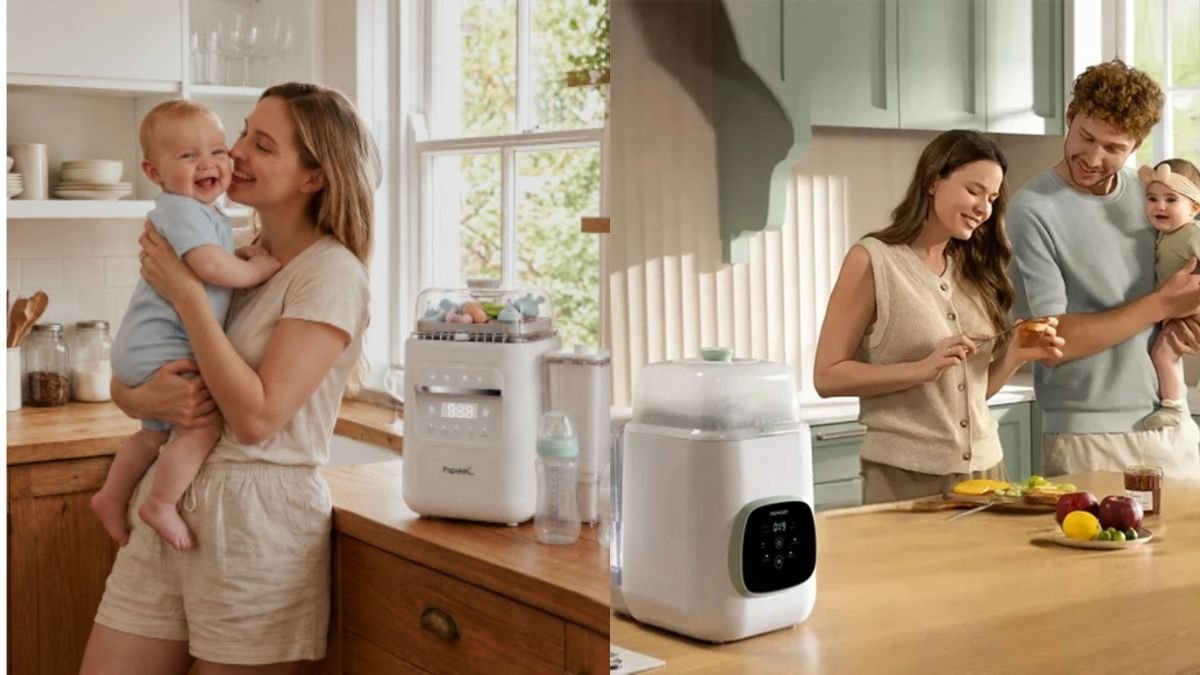
Standing over a kitchen sink at two in the morning is a universal parenting memory. Your eyes burn from exhaustion while your hands scrub greasy plastic parts under steaming water. Newborn feeding demands around eight to twelve bottles every single day. That turns bottle washing into an unending shift at the basin.
Traditional bottle brushes splash soapy water onto your backsplash and clothes. Some parents install a sink glass rinser for quick cup flushes. Yet manual basin rinsing still leaves oily breast milk residues behind. Yellow drying racks quickly overflow with caps, collars, and teats. Many tired parents wonder why modern homes still treat baby gear like an eighteenth-century chore.
Enter the dedicated baby bottle washer. These small countertop appliances clean, sanitize, and dry baby bottles at the push of a single button. They promised to replace the midnight dish pan forever. This in-depth guide explains how they operate, where they excel, and what product descriptions often hide.
The Midnight Sink Routine That Wears Down Every New Parent
Hand washing infant gear takes far more time than washing regular plates. You cannot simply wipe a bottle with a soapy sponge and call it good. Greasy milk fats coat the inner base and narrow neck corners. Formula leaves a chalky sediment that sticks stubbornly to curved plastic walls.
Parents often start with good intentions using a plastic soak tub and hot water. Within days, the kitchen sink turns into a permanent staging area. Bottle parts pile up between daytime naps and fussy evening clusters. By midnight, washing four bottles feels like running a mini restaurant kitchen.
Cold water fails to dissolve breast milk fats. You turn the faucet to scalding temperatures, which dries out your knuckles and strips skin oils. Skin irritations and raw red cuticles become common battle scars. The repetitive physical scrubbing also steals valuable sleep when you need rest the most.
An automatic bottle washer removes that repetitive manual labor from your daily life. You load the dirty pieces straight into the wire racks instead of soaking them. The appliance takes over the scrubbing, rinsing, and drying while you care for your infant.
How an Automatic Bottle Washer Actually Cleans Without Hand Brushes
Countertop washers look like compact dishwashers made specifically for baby nurseries. Inside the sealed wash chamber, high pressure spray jets spin rapidly across both upper and lower decks. These targeted jets blast hot water directly into inverted bottles and tiny accessory trays.
A standard dishwasher relies on broad spray arms designed for dinner plates. An infant bottle washer uses pinpoint nozzles aligned with the narrow mouths of baby bottles. Water shoots upward with enough force to strip dried residue off plastic and glass surfaces.
The cycle starts with a dedicated pre-wash rinse. Warm water softens crusted milk proteins and flushes loose sediment into the dirty water catch basin. Next comes the main wash phase where water heats to higher temperatures. The machine dissolves specialized detergent tablets to break down stubborn milk film across silicone and glass.
Multiple high-volume clear water rinses follow the wash step. These rapid rinses carry away detergent remnants before they can dry on bottle walls. Clean surfaces feel squeaky and smooth rather than slimy or chemical-scented. The mechanical consistency matches what commercial laboratories use for scientific glassware.
Why Simple Steam Sterilizers Fail When Milk Residue Stays Behind
Many first-time parents purchase an entry-level steam sterilizer thinking it solves their sanitation problems. A standard sterilizer only heats items using water vapor. It contains zero pumps, zero spray jets, and zero cleaning agents.
Even the best bottle sterilizer and dryer fails if milk stays behind. Placing a greasy bottle inside merely bakes residue into the warm plastic. High heat bakes milk proteins and fats straight onto the container walls. Over several cycles, bottles develop a cloudy yellow tint and a sour milk smell. That stubborn milk film creates a breeding ground where bacteria multiply quickly once temperatures drop.
True hygiene requires thorough physical removal of dirt before any thermal sanitization begins. That is why an all-in-one baby bottle washer and sterilizer provides superior daily safety. The machine washes away organic matter completely before the steam cycle kicks into gear.
Once the wash phase finishes, the unit raises internal heat to generate pure steam at high temperatures. This steam kills lingering pathogens without relying on harsh bleach or synthetic sanitizing fluids. You achieve hospital-level cleanliness without spending an hour pre-scrubbing at the sink.
Protecting Delicate Breast Pump Valves and Tiny Duckbill Parts
Exclusive pumping parents face an even heavier washing load than formula families. Pump setups include delicate silicone duckbill valves, flexible backflow membranes, and wide plastic flanges. Cleaning these tiny parts by hand often leads to tears and stretched silicone edges.
A torn duckbill valve ruins suction instantly during your next pumping session. When pump suction drops, milk output decreases and engorgement can follow rapidly. A quality feeding bottle washing machine features specialized accessory trays designed to hold these delicate parts securely.
Dedicated prong pegs keep silicone valves upright so spray jets flush through openings without bending them. Gentle water pressure cleans inner channels without tearing thin silicone flaps. You avoid the accidental rips that happen when shoving bulky wire bottle brushes into fragile openings.
Breast milk also leaves behind heavy fat layers that cling to pumping flanges. Warm spray jets melt those milk fats cleanly from curved funnel surfaces. Mothers who pump six times a day save upwards of ninety minutes every day by using a reliable bottle washer.
Managing Countertop Space and the Hidden Waste Water Tank
Before bringing a bottle cleaner machine into your house, you must measure available kitchen counter space. These machines carry a physical footprint similar to a large espresso machine or a mid-sized microwave. You need sufficient vertical clearance underneath upper kitchen cabinets so the top lid can open smoothly.
Most modern units do not require permanent plumbing hookups. Instead, they operate using two self-contained water tanks. A removable clean water tank sits on one side, while a dirty water catch basin collects runoff below.
You fill the clean tank with fresh water and place the appliance anywhere near an electrical outlet. Some families keep their unit in the baby nursery or upstairs landing to avoid midnight trips downstairs. That portability offers huge relief during early postpartum recovery when climbing stairs hurts.
The waste water tank demands strict daily attention. If you leave warm soapy wash water sitting in the dark waste reservoir, foul odors appear quickly. Stale milk runoff can curdle inside the plastic container within twenty-four hours. Empty the drain reservoir after each complete cycle to keep your space fresh.
If you plan home layout upgrades, read our guide on kitchen remodeling for layout inspiration. Clever counter space organization makes room for useful baby appliances without crowding your cooking zones. Smaller powder rooms with a pedestal sink lack sufficient counter depth. Keep your washer near your main food prep area instead.
Why Hard Water Leaves White Crust on Heating Plates and How to Stop It
Parents frequently notice a chalky white film coating their heating element after a few weeks of use. This crusty layer is limescale mineral buildup caused by calcium and magnesium in local tap water. When water boils into steam, dissolved minerals precipitate and stick to hot metal plates.
Limescale reduces heating efficiency and can trigger premature machine shutoffs. The heating plate works harder to boil water, which wears out internal thermostats over time. Mineral particles can also flake off and land on clean nipples as gritty white dust.
Using distilled water prevents mineral scaling altogether. If buying bottled distilled water feels impractical, regular descaling keeps your best bottle sterilizer running like new. You can run a simple descaling cycle using food-grade citric acid or plain white vinegar.
Pour equal parts warm water and vinegar over the heating plate and let it soak for thirty minutes. Wipe the softened crust with a soft cotton towel, then run a rinse cycle. Never scrape the metal element with knives, steel wool, or abrasive scouring pads.
Routine descaling takes minimal effort and protects your equipment. Keeping heating plates clear of mineral scale ensures quiet operation. Simple preventative maintenance saves you hundreds of dollars in early machine replacements.
Planning Your Daily Feeding Routine Around Long Machine Cycles
A complete cycle in a bottle washer sterilizer and dryer takes between sixty and ninety minutes. Washing takes twenty minutes, steam sterilization lasts ten minutes, and heated drying takes around an hour. You cannot throw a dirty bottle in and expect it ready in ten minutes for a hungry baby.
Managing this timing requires a sensible batch rotation strategy. Newborns eat every two to three hours around the clock. If you only own two bottles, you will still end up hand washing when feeding alarms sound.
Invest in at least six to eight bottles that fit your infant bottle washer racks comfortably. Use bottles throughout the daytime and place rinsed empties directly onto the machine racks. Once the machine reaches capacity, start the full wash and dry program.
The heated dry cycle is where the best baby bottle washer truly shines over manual racks. Standard countertop air drying racks leave water droplets trapped inside narrow glass bottoms for hours. Damp environments invite airborne mold and bacteria onto clean surfaces.
Countertop washers use medical-grade HEPA filters to pull clean air through heated ceramic blowers. High-velocity warm air evaporates trapped moisture from narrow crevices in sixty minutes. When the cycle ends, your bottles are dry, warm, and ready for immediate pantry storage.
Preparing baby gear in advance keeps daily family life running smoothly. Picking a handy umbrella stroller simplifies travel with your infant. An automated washer brings that same convenience to your kitchen. Building a predictable rhythm turns chaotic newborn chores into quiet background tasks.
Why Regular Liquid Dish Soap Breaks These Machines
Never squirt standard kitchen dish soap into an automatic feeding bottle washer. Standard liquid soap contains heavy foaming agents designed for open sinks and sponges. In an enclosed chamber with spinning jets, regular soap creates giant walls of suds within seconds.
Excess foam overflows through venting grilles, leaks onto electrical motherboards, and triggers water-leak error sensors. Foam also starves the water circulation pump, causing the motor to grind loudly and overheat. A single drop of dish soap can permanently ruin your appliance.
Countertop washers require specially formulated low-sudsing detergent tablets or concentrated baby safe powders. These formulas use natural plant enzymes that target dried milk proteins without producing mountains of foam. The tablets dissolve rapidly in warm water and rinse away without lingering fragrance.
Store your detergent pods in a dry sealed container out of reach from older children. Keep spare boxes on hand so you never face an empty hopper when six dirty bottles sit in the machine. Using the correct manufacturer-approved cleaner protects both your baby and your equipment investment.
Choosing the best baby bottle washer sterilizer and dryer comes down to daily convenience. Hand washing bottles twice a day steals hours that you could spend sleeping or bonding with your child. An automated washer turns an exhausting physical chore into a silent one-touch routine.
For parents dealing with multiple daily feedings, twin care, or intense pumping schedules, the time savings are undeniable. It keeps your sink clear, protects delicate pump valves, and delivers bone-dry bottles without touching a scratchy sponge.
Straight Answers to Everyday Baby Bottle Cleaning Questions
Do you still need to rinse bottles before loading the machine
Rinsing out leftover milk under cold tap water takes five seconds and improves cleaning results. Heavy milk curds left inside warm chambers can foul the water filter screen faster. A quick rinse keeps the internal wash chamber clean and extends the life of your drain filters.
Can these appliances wash silicone nipples without clouding them
Yes, these machines wash silicone nipples cleanly when you use gentle enzyme cleaners and proper drying cycles. Cloudy silicone usually stems from baked-on milk fats or hard water mineral deposits. The combination of warm jet washes and purified water keeps nipples crystal clear.
How often should you run a descaling cycle on the heating plate
If you use municipal tap water, descale your heating element every two to three weeks. Homes with known hard water should descale weekly to prevent thick mineral scale. If you use distilled water exclusively, a light monthly wipe down is all that is required.
Is an automatic washer practical for exclusive formula feeding
Formula leaves heavy chalky residues that regular rinsing fails to dissolve. An automated washer removes that stubborn film with consistent hot water jets and enzyme action. Formula-feeding families save hours of daily hand scrubbing by letting the machine handle batch cleaning.